Debunking Common Myths About NP Exam Preparation


Understanding the NP Exam Process
The journey to becoming a Nurse Practitioner (NP) is a challenging but rewarding one. A significant part of this journey is passing the NP exam, which evaluates your readiness for the role. However, many myths surround NP exam preparation, leading to unnecessary stress and confusion. Let’s debunk some of these common misconceptions.
First and foremost, it's essential to understand that the NP exam is designed to test your knowledge and skills in patient care, not to trick you. The exam questions are straightforward and based on real-world scenarios. Knowing this can help reduce anxiety and focus your study efforts effectively.

Myth: Studying Last Minute Is Effective
Many students believe that cramming the night before the exam is the best way to retain information. However, this approach can lead to burnout and stress. The NP exam covers a comprehensive range of topics, and understanding them deeply requires consistent and structured study over time.
Experts recommend creating a study schedule that includes daily review sessions, practice questions, and breaks to ensure information retention. This approach not only helps in understanding complex topics but also improves long-term memory recall during the exam.
Myth: Practice Tests Are a Waste of Time
Some candidates think practice tests are unnecessary. On the contrary, practice tests are one of the most effective tools in preparing for the NP exam. They help familiarize you with the format of the questions and highlight areas where you need further study.

By taking regular practice tests, you can track your progress and adjust your study plan accordingly. It also helps build your confidence, making you more comfortable when answering questions under exam conditions.
Myth: You Need to Memorize Everything
Another common myth is that you must memorize all the study material. While having a good grasp of the content is necessary, rote memorization is not the answer. Instead, focus on understanding concepts and how to apply them in clinical scenarios.
- Use study resources such as flashcards for essential terms and definitions.
- Engage in group study sessions to discuss and clarify complex topics.
- Apply your knowledge in practice settings to see how theoretical concepts work in real-life situations.
Myth: Stress Is Inevitable
It's a common belief that stress is an unavoidable part of exam preparation. While some level of stress can be motivating, excessive stress can hinder your performance. Implementing stress management techniques, such as mindfulness and regular exercise, can greatly improve your focus and overall well-being.
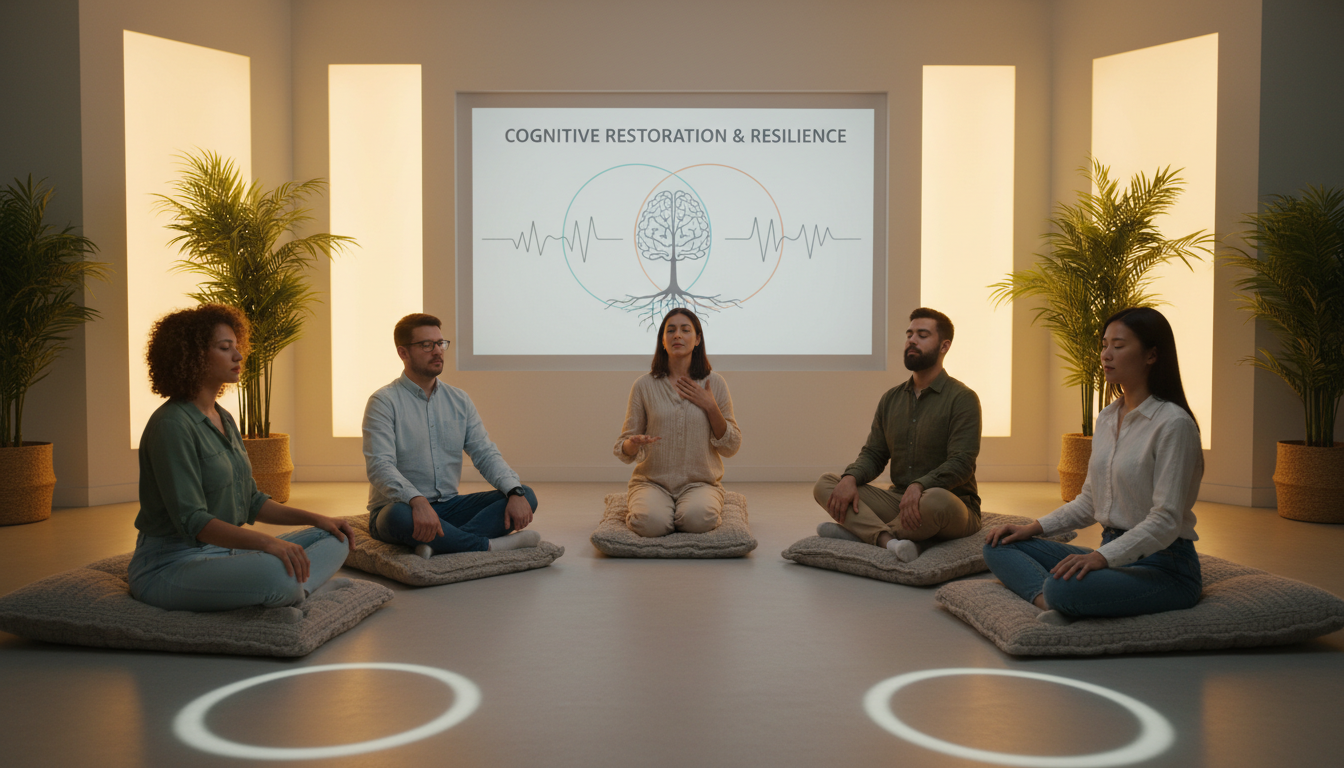
Remember, preparing for the NP exam is not just about hitting the books. Taking care of your mental and physical health is equally important to ensure you perform at your best.
Conclusion
Debunking these myths can transform your NP exam preparation into a more manageable and less daunting task. By adopting effective study strategies and maintaining a balanced lifestyle, you can approach the exam with confidence and readiness. Remember, the goal is not just to pass the exam but to equip yourself with the knowledge and skills necessary for a successful career in healthcare.